Loading…
Celeron
Launched in 998The Intel Celeron is Intel’s value-oriented x86 processor line introduced in 1998 as a low-cost derivative of the P6 family, designed to deliver mainstream IA-32 compatibility at reduced platform and silicon cost by disabling or reducing features present in higher-end Pentium II and Pentium III parts. The first Celerons, based on the 0.25 µm Covington core, used Slot 1 packaging and notably omitted L2 cache entirely, which severely limited performance, while the later Mendocino core, also initially in Slot 1 and later in Socket 370 form, integrated 128 KiB of full-speed on-die L2 cache and became far more competitive. Subsequent Celeron generations continued to track Intel’s mainstream desktop cores, including Pentium III-derived variants such as Coppermine-128 and Tualatin-based models, typically with reduced cache and sometimes lower front-side bus speeds relative to Pentium-branded counterparts. Technically, the Celeron family is best understood not as a distinct architecture but as Intel’s budget-tier implementation of existing x86 cores, defined primarily by cache, bus, and feature segmentation rather than by unique microarchitectural design.
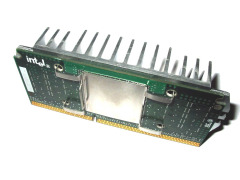 Celeron 266 Mhz ES
6 pictures
Celeron 266 Mhz ES
6 pictures
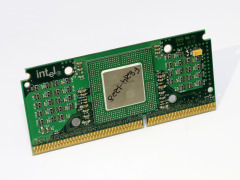 Celeron 300 MHz ES
3 pictures
Celeron 300 MHz ES
3 pictures
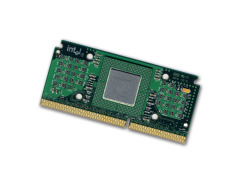 Celeron 333 MHz ES
3 pictures
Celeron 333 MHz ES
3 pictures
 Celeron 366 MHz ES
3 pictures
Celeron 366 MHz ES
3 pictures
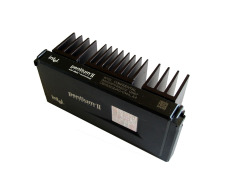 Celeron III 400 MHz ES
6 pictures
Celeron III 400 MHz ES
6 pictures
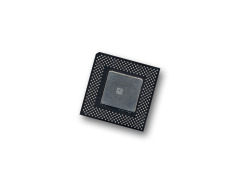 Celeron 433 MHz ES
3 pictures
Celeron 433 MHz ES
3 pictures
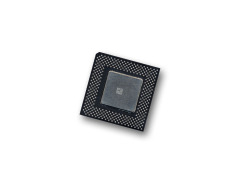 Celeron 466 MHz ES
3 pictures
Celeron 466 MHz ES
3 pictures
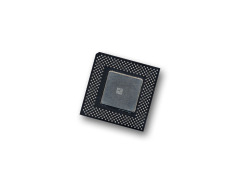 Celeron 500 MHz ES
3 pictures
Celeron 500 MHz ES
3 pictures
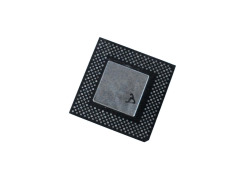 Celeron 533 MHz ES
3 pictures
Celeron 533 MHz ES
3 pictures
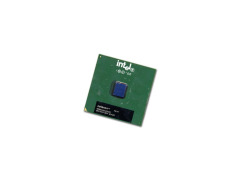 Celeron 633 MHz ES
3 pictures
Celeron 633 MHz ES
3 pictures
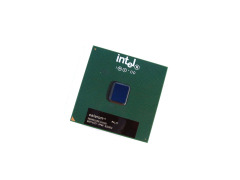 Celeron 766 MHz ES
3 pictures
Celeron 766 MHz ES
3 pictures
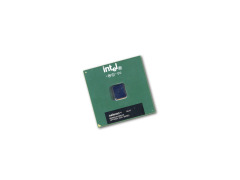 Celeron 800 MHz ES
3 pictures
Celeron 800 MHz ES
3 pictures
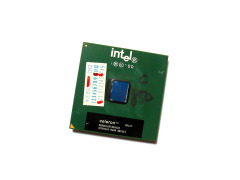 Celeron 850 MHz ES
3 pictures
Celeron 850 MHz ES
3 pictures
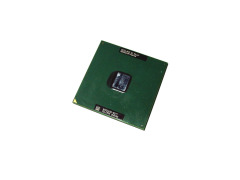 Celeron 950 Mhz ES
6 pictures
Celeron 950 Mhz ES
6 pictures
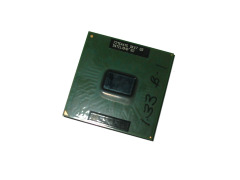 Celeron 1.33 Ghz QS
3 pictures
Celeron 1.33 Ghz QS
3 pictures